Description
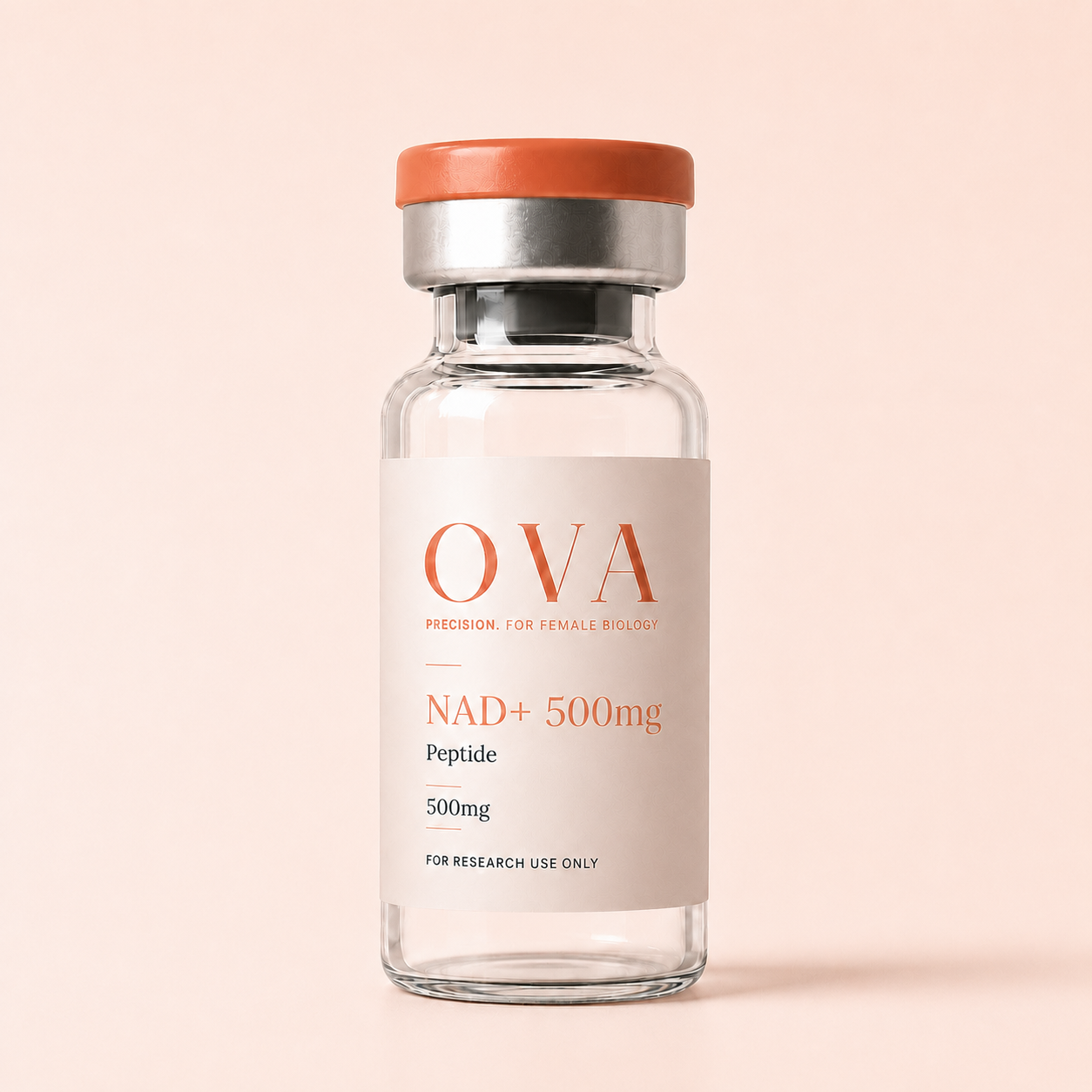
Nicotinamide adenine dinucleotide (NAD+) is the central coenzyme in cellular energy metabolism, serving as the electron acceptor in glycolysis, the Krebs cycle, and the electron transport chain. It is also the required substrate for sirtuins (SIRT1–7) — the deacylase enzymes that regulate gene expression, DNA repair, and mitochondrial biogenesis. NAD+ depletion is now a well-established hallmark of metabolic and cellular aging, with concentrations in most tissues falling 40–50% between ages 40 and 60 in both sexes.
In female biology specifically, NAD+ plays a crucial role in the function of PARP enzymes (which repair DNA breaks), sirtuin-mediated regulation of reproductive hormones, and mitochondrial function in oocytes. Declining NAD+ in perimenopausal women correlates with the mitochondrial dysfunction that underlies fatigue, cognitive slowing, and poor recovery. Injectable NAD+ achieves systemic concentrations that oral supplementation cannot — oral bioavailability of NAD+ precursors is limited by gut conversion efficiency and first-pass metabolism. IV or subcutaneous injection delivers NAD+ directly.
Female-calibrated dosing: 100–250mg IV push (slowly over 2–4 hours) or 25–50mg subcutaneously daily. Start at lower doses — NAD+ infusions at full doses can cause nausea, flushing, and chest tightness from too-rapid dosing. Many women prefer 100mg IV 1–2x per week initially, increasing as tolerated. Subcutaneous daily dosing at 25–50mg is better tolerated for at-home use.
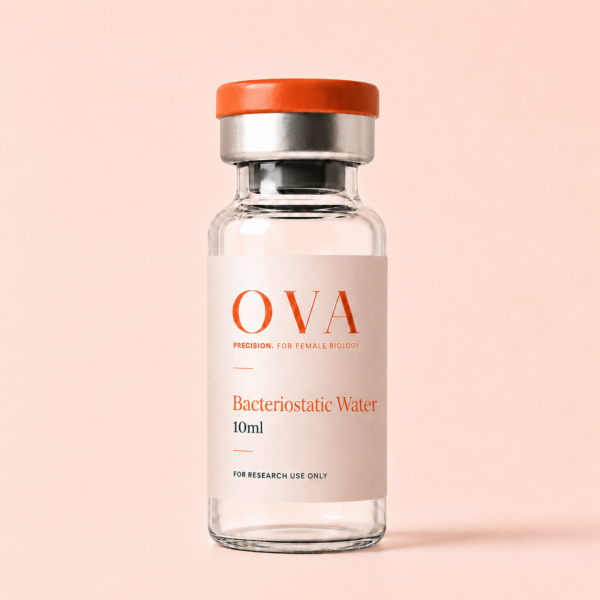
Storage: Store lyophilized powder below -20°C. After reconstitution, refrigerate at 2–8°C and use within 14 days. NAD+ is sensitive to oxidation — minimize air exposure after reconstitution.


Reviews
There are no reviews yet.